No.
A product does not necessarily have to be recalled before someone injured by it can pursue a product liability claim.
This is an important distinction because consumers sometimes assume that if the government or manufacturer has not announced a recall, the product must be safe.
That isn’t necessarily true.
Recalls and Product Liability Cases Are Different Things
A recall is generally an action intended to address a safety problem affecting products already in the marketplace.
A product liability lawsuit asks a different question: Was the particular product legally defective or otherwise unreasonably dangerous, and did that problem cause the plaintiff’s injury?
Those questions can arise whether or not a recall has been announced.
In fact, an injury may occur before a manufacturer, regulator, or the public becomes aware that a broader problem exists.
What Can Make a Product Defective?
Product liability law varies from state to state, but cases commonly involve allegations that a product was defective because of its:
Design. The way the product was designed created an unreasonable danger.
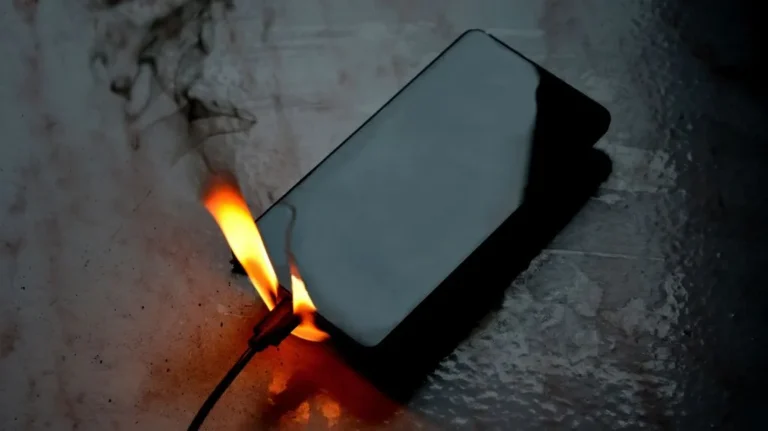
Manufacture. Something went wrong when the particular product was manufactured or assembled.
Warnings or instructions. The product did not adequately communicate a danger or provide appropriate instructions for safe use.
Some cases involve more than one theory.
Determining which theory applies often requires investigation and expert analysis.
What If Thousands of People Use the Product Without a Problem?
That doesn’t necessarily resolve the question either.
A manufacturing defect, for example, might affect only one production run—or even a single product.
Other failures may occur only when a particular combination of circumstances is present.
The important question in an individual case is not simply how many products were sold. It is what happened with the product involved in the injury and why.
Does a Recall Help a Product Liability Case?
A relevant recall can sometimes provide useful information.
Depending on the circumstances, recall materials may identify a failure mechanism, affected models, manufacturing dates, reported incidents, or corrective actions.
But the existence of a recall does not automatically prove an individual lawsuit, just as the absence of a recall does not automatically defeat one.
The evidence still has to be evaluated in the context of the particular case.
How Do You Find Out Whether a Product Has Been Recalled?
Depending on the type of product, recall information may be available from federal agencies such as the Consumer Product Safety Commission, National Highway Traffic Safety Administration, or Food and Drug Administration.
Manufacturers may also publish recall notices.
But a recall search is only one part of a product liability investigation.
Don’t Wait for a Recall
If a product caused a serious injury, waiting to see whether someone eventually announces a recall can create another problem: evidence can disappear and legal deadlines continue to run.
The better approach is to preserve the product and investigate what happened.
Beck Law Center represents people seriously injured by defective and dangerous products in Ohio, Kentucky, Indiana, and West Virginia.