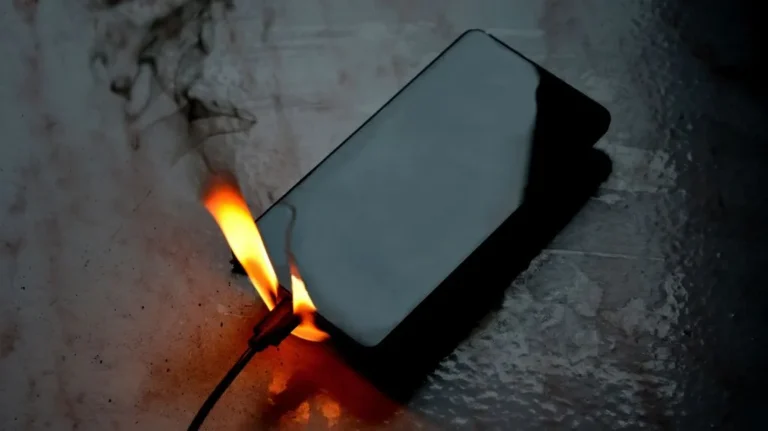
A defective product can cause injuries far beyond the frustration of replacing something that does not work. Dangerous machinery, vehicle components, household goods, medical devices, and other products can lead to serious injuries, lost income, and lasting changes to a person’s daily life.
Both Kentucky and Ohio allow people injured by defective products to pursue compensation in appropriate cases. However, the two states organize their product-liability laws differently. Those differences can matter when an injury in Kentucky involves an Ohio resident, business, or manufacturer.
What Does KRS 411.300 Cover?
KRS 411.300 broadly defines a “product liability action.” It includes claims for personal injury, death, or property damage arising from nearly any stage of bringing a product to market, including its design, manufacture, testing, warnings, instructions, advertising, packaging, and labeling.
The statute is the starting point for Kentucky’s Product Liability Act, but it does not contain all the rules governing these lawsuits. Other provisions address presumptions available to manufacturers, product alterations, and the circumstances under which a seller or distributor can be held responsible.
Kentucky Gives Manufacturers Certain Presumptions
Under KRS 411.310, a product is presumed not to have been defective if an injury occurs more than five years after it was sold to the first consumer or more than eight years after it was manufactured.
A similar presumption applies when the product’s design, manufacturing methods, and testing complied with the generally recognized standards or state of the art that existed when the product was designed and manufactured.
These are rebuttable presumptions, not automatic dismissals. An injured individual can challenge them with evidence showing that the product was defective despite its age or compliance with prevailing industry practices. Relevant evidence may include expert analysis, testing data, internal company records, prior incidents, or information about safer designs.
How Does Ohio Product-Liability Law Differ?
Ohio organizes product-liability claims into four statutory categories: manufacturing or construction defects, defective designs or formulas, inadequate warnings or instructions, and failure to conform to a manufacturer’s representation. A claimant must show that the product was defective under one of these categories and that the defect was a proximate cause of the harm.
Unlike Kentucky’s broader statutory framework, Ohio defines each type of defect separately and expressly replaces common-law product-liability claims covered by the Act.
Can a Retailer or Distributor Be Liable?
Kentucky law generally protects a wholesaler, distributor, or retailer when the manufacturer is identified and subject to the court’s jurisdiction and the seller distributed the product in its original condition. That protection may not apply if the seller breached an express warranty or knew, or should have known, that the product was dangerously defective.
Ohio also limits supplier liability, but it identifies several circumstances in which a supplier can be treated like a manufacturer. These include cases in which the manufacturer cannot be sued in Ohio, a judgment cannot be enforced because of insolvency, the supplier altered the product, or the product was marketed under the supplier’s own name.
How Long Do You Have to File a Claim?
Kentucky generally allows one year to file a product-liability claim involving personal injury, while Ohio generally allows two years. Ohio also has a 10-year statute of repose that can bar claims against manufacturers or suppliers based on when the product was first delivered.
Kentucky’s five- and eight-year provisions work differently. They create rebuttable presumptions that a product was not defective rather than an automatic filing bar. Because exceptions and other deadlines may apply, those injured should act promptly to determine which state’s law governs the claim.

Which State’s Law Applies?
The injured person’s residence does not necessarily determine which law applies. Courts may consider where the injury occurred, where the product was purchased or used, and where the companies conducted the relevant activity.
Preserving the product, packaging, instructions, receipts, photographs, and repair records can be critical to determining what failed and who may be responsible.
Attorney Kimberly Beck handles complex product-liability cases involving serious injuries in both Ohio and Kentucky. She can investigate how the product failed, determine which state’s law may apply, and identify the manufacturers, sellers, or other companies that could be held responsible. Contact Beck Law Center to discuss your legal options.