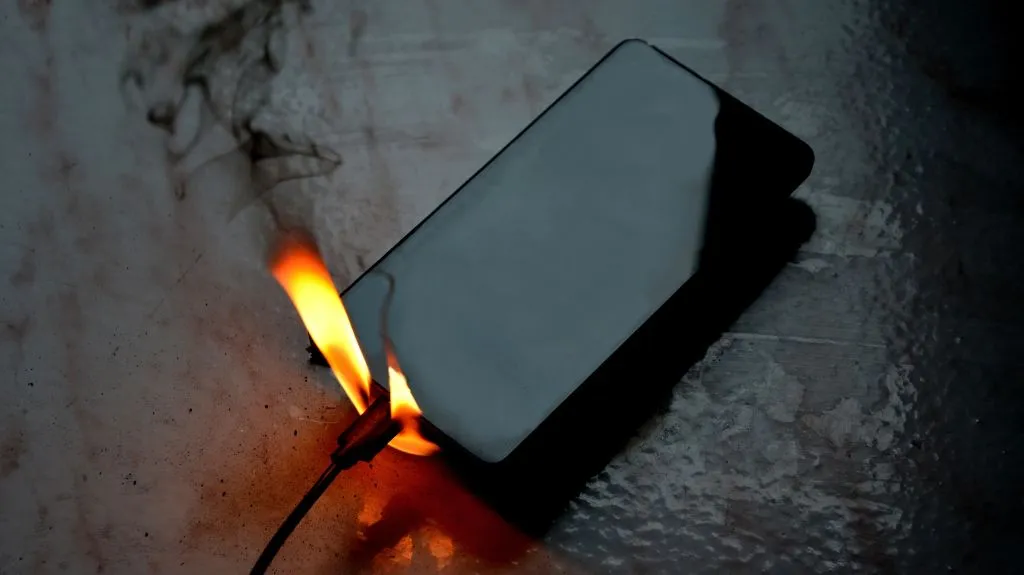
A product breaks, catches fire, or behaves in a way you never expected. You know something went wrong, but you may not know why.
Was the product dangerous from the beginning? Did something go wrong while it was being made? Or did the manufacturer fail to warn you about a risk? In Ohio, those questions point to three common theories: design defect, manufacturing defect, and inadequate warning or instruction.
What Is a Design Defect?
A design defect affects the product’s basic plan or formula. The problem isn’t limited to one poorly assembled item. Products made according to the same design share the potential danger.
Imagine a space heater designed without enough protection against overheating. Even if every unit was assembled exactly as planned, the design itself could create a fire risk.
Ohio law compares a design’s foreseeable risks with its benefits. The analysis considers factors such as the likelihood and seriousness of harm, user expectations, safety standards, and the product’s usefulness.
A design-defect claim also requires a practical and technically feasible alternative design available when the product left the manufacturer’s control. It must have been able to prevent the harm without substantially reducing the product’s usefulness or intended purpose.
What Is a Manufacturing Defect?
Sometimes the design is reasonably safe, but something goes wrong during production.
That is a manufacturing defect.
A tire could contain contaminated material, or a ladder could be missing a bolt. In each example, the particular product differs from the intended design or from otherwise identical units.
Under Ohio Revised Code § 2307.74, the focus is on the product’s condition when it left the manufacturer’s control. A manufacturing defect can exist even if the manufacturer used all possible care during production.
What Is a Failure-to-Warn Claim?
Some product risks can’t be eliminated, so manufacturers must provide reasonable warnings and instructions about dangers they knew or should have known about. That duty may continue if a danger is discovered after the sale.
A warning may be inadequate if it omits a serious risk, is unclear or hard to find, or doesn’t explain safe use. Manufacturers don’t have to warn about open, obvious, or commonly known risks.
What Must an Injured Person Prove?
Identifying a defect is only part of a product liability case.
For a claim against a manufacturer, Ohio law requires proof that the product was defective, a defective aspect of the product proximately caused the harm, and the manufacturer made the actual product involved. State law also allows you to establish a defect through circumstantial or other competent evidence when direct evidence isn’t available.
Medical records, expert analysis, testing results, recall information, and reports of similar incidents could help answer those questions.
What Should You Do With the Product?
Keep it.
Don’t return it to the store or manufacturer. Avoid repairing, altering, discarding, or continuing to use it. If it can be handled safely, preserve it with the packaging, instructions, receipts, and purchase records.
Photograph the product and the incident area. Batteries, chemicals, fuel, and fire-damaged products can require special handling, so don’t move them if doing so creates another danger.

Tell Kim What Happened
You don’t need to identify the type of defect before speaking with a lawyer. Determining what happened is part of investigating the case.
Attorney Kimberly Beck’s practice focuses on product liability and defect claims involving products that catch fire, break, or cause serious injuries. If a defective product harmed you or someone in your family, contact Beck Law Center to share what happened and learn whether the firm may be able to help.