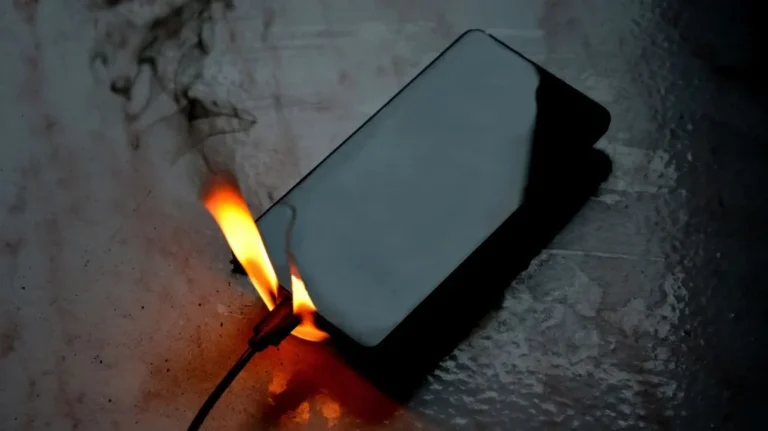
After a battery, e-bike, or space heater fire, the injuries can last far longer than the flames. Burn treatment may involve surgeries, time away from work, and lasting scars, while questions about what caused the fire remain unanswered.
The damaged product may help answer those questions and identify who may be responsible. Depending on what went wrong, an Ohio claim could involve the product’s manufacturer, a component maker, a seller, or someone who repaired or installed it.
What Makes a Product Legally Defective?
Under the Ohio Product Liability Act, a claim may focus on how a product was made, how it was designed, or what buyers were told about it. A battery that departed from its intended specifications may have a manufacturing defect, while a problem with the design itself may affect an entire product line.
The investigation may also examine whether warnings and instructions adequately explained a charging hazard or whether the product failed to match a representation made by its manufacturer. These issues can overlap, so identifying why the fire started helps determine which claims the evidence supports.
Whatever the basis for the claim, the defect must be connected to the injury. Examining electrical components, charging equipment, and fire patterns can help establish that connection while distinguishing a product defect from other possible causes.
Identifying the Companies Behind the Product
Finding the source of the fire helps identify which companies may be responsible. If the problem began in the battery or charger, the investigation may involve both the component maker and the finished product’s manufacturer.
Tracing those companies requires information about the actual product involved. Model numbers, serial numbers, receipts, and purchase records can help establish who made and supplied it. A company’s production of similar batteries alone is not enough to establish liability.
Repairs, replacement chargers, and modifications also help establish when the problem arose. If negligent repair or installation caused the fire, a claim against the service provider may follow different rules from a product liability claim against the manufacturer.
When Can a Seller or Distributor Be Liable?
Responsibility may also extend to the businesses that supplied the product. A retailer or distributor may be liable when its negligence causes an injury or when the product fails to match a representation it made, and that failure causes harm.
When the evidence supports manufacturer liability, Ohio law sometimes allows a supplier to be held responsible as though it made the product. Examples include selling under its own label or modifying the product before sale in a way that made it defective. Other grounds may apply when the manufacturer is beyond Ohio’s judicial reach or its insolvency prevents collection of a judgment. These rules can matter with imported products, although each business’s role must be examined separately.
Preserve Evidence Without Putting Yourself at Risk
Medical care and emergency responders’ directions come first. Do not handle, recharge, or move a damaged battery simply to save evidence. Qualified professionals can advise on safely recovering and storing the product, charger, cord, and other relevant components.
Because returning an item or testing it could alter important evidence, seek guidance before authorizing either step. Photographs, purchase records, instructions, and seller communications can help document the product’s history, while fire-investigation reports and medical records help establish what happened and the resulting injuries.
Even when the product is destroyed, a claim may still be possible. Ohio allows circumstantial or other competent evidence to establish a defect when direct proof is unavailable.
How Long Do You Have to File?
Ohio product liability injury claims generally must be filed within two years after the injury, although exceptions can affect that deadline, including for injured children. Claims against manufacturers and suppliers also face a separate statute of repose, generally tied to ten years after delivery to the first qualifying purchaser or lessee. Exceptions apply, and claims involving negligent repairs or installation require their own deadline review.

Contact Beck Law Center To Learn More
Determining responsibility for a product fire often requires piecing together its design, manufacturing, sale, and use. Contact Beck Law Center to discuss your burn injuries, the available evidence, and your options for pursuing compensation.