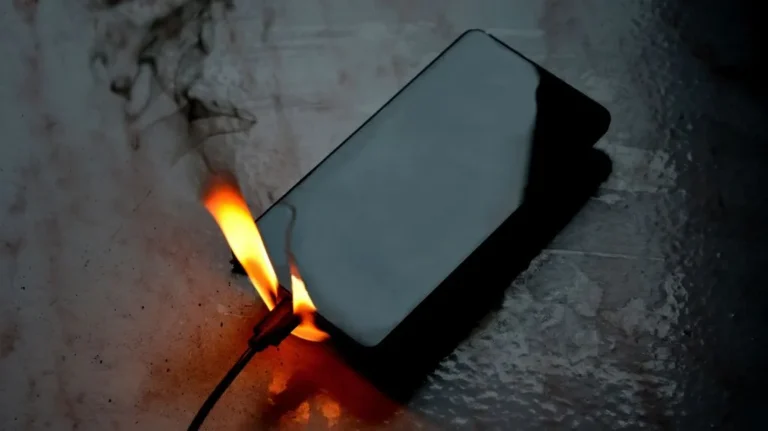
When a new power tool breaks and sends a metal fragment into someone’s hand, or a space heater catches fire, the damaged product can help explain what went wrong. In the rush to get treatment or clean up, however, it is easy to throw the item away or return it to the seller. Those decisions can leave an injured individual without evidence needed to investigate the failure.
The first 72 hours are not a legal filing deadline. They are a period when evidence is especially vulnerable. These steps can protect your health and preserve information needed to evaluate an Ohio product liability claim.
Obtain Medical Care
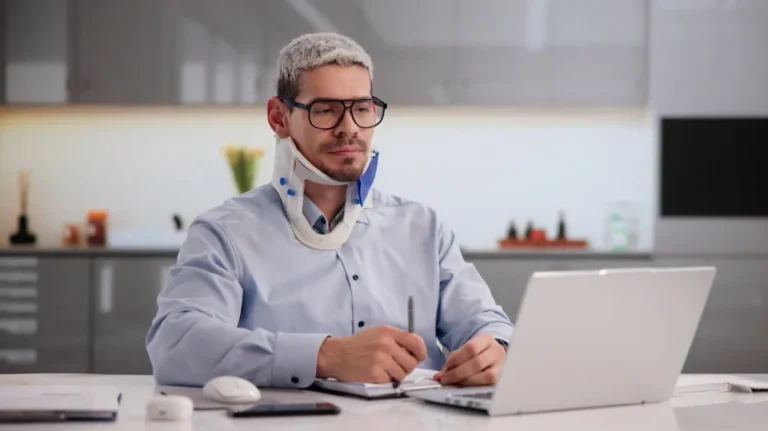
Seek appropriate medical treatment first. Tell the provider how the injury occurred and describe your symptoms accurately. Records created near the incident can document the injury and its reported cause.
Follow treatment recommendations and attend follow-up appointments. Those records help show how the injury progresses and affects your daily life.
Preserve the Product Without Changing It
Keep the product, broken components, packaging, instructions, warnings, and accessories in a secure location. Do not repair, clean, test, or disassemble anything; doing so could alter the condition an engineer needs to examine.
Safety comes first. Do not handle or store a product that poses an ongoing fire, electrical, or chemical hazard. Ask emergency personnel or a qualified professional how it can be secured safely.
If the product belongs to an employer, landlord, or someone else, request preservation in writing.
Before returning the product to a manufacturer or retailer, get advice about preserving it and arranging an inspection. Photographs may not capture internal damage or failed components. If a refund offer includes a release or requires settling the injury claim, seek legal advice about what rights you would be giving up.
Photograph the Product and Surroundings
When safe, take wide photographs of the area and close-ups of the product. Capture model and serial numbers, warning labels, and damaged components.
Photograph visible injuries over time, since their appearance can change. Document damage to other property before cleanup or repairs, and save original image and video files rather than relying on screenshots or social-media copies.
Gather Purchase and Incident Records
Save receipts, order confirmations, warranty documents, and communications with the seller or manufacturer. Write down when the product was purchased, who assembled it, how it was used, and whether it had been modified or repaired.
Identify witnesses and ask about surveillance footage from nearby businesses, workplaces, or homes. Request preservation promptly, before footage is routinely overwritten.
Understand What the Evidence Must Show
Under Ohio Revised Code § 2307.73, a claim against a manufacturer requires evidence that its product had a defect that caused the harm. That defect could involve how the product was made or designed, inadequate warnings or instructions, or failure to match the manufacturer’s representation.
Preserving the product helps an expert examine those possibilities and identify its manufacturer. If the product is unavailable, Ohio permits circumstantial or other competent evidence to establish a defect. A claim is therefore not automatically lost when the product is gone, but proving why it failed can become more difficult.
Do Not Assume You Have Plenty of Time
Ohio generally requires a product liability action within two years after the injury or property damage occurs, although certain exposure-related injuries follow different accrual rules. A separate statute of repose generally prevents claims from accruing more than ten years after delivery to the first qualifying purchaser or lessee, subject to exceptions. Ohio Revised Code § 2305.10 addresses both limits. Evidence preservation should begin well before either deadline approaches.
If you are unsure how to preserve a damaged product or respond to a return request, Beck Law Center can help identify the next steps. Contact Beck Law Center to discuss the incident with attorney Kimberly Beck.