When a product causes a serious injury, you may have no idea what went wrong—or who is responsible. The problem may involve the product’s design, the way it was manufactured, inadequate warnings, or a combination of factors.
You don’t need to figure that out before you call us. Beck Law Center investigates what happened, works with qualified experts when needed, and identifies the companies that may be responsible.
Your job is to tell us what happened. Figuring out why it happened is ours.
How Beck Law Center Can Help You
Beck Law Center can:
Preserve the Product and Other Important Evidence
The product itself may be one of the most important pieces of evidence in the case. We can help preserve the product along with packaging, instructions, warnings, photographs, videos, receipts, medical records, electronic data, and other evidence that may help explain what happened.
Figure Out What Went Wrong
You aren’t expected to know whether your injury resulted from a design defect, manufacturing problem, inadequate warning, or something else. We investigate the circumstances of the incident and, when appropriate, work with qualified experts to determine how and why the product caused harm.
Identify the Companies That May Be Responsible
The company whose name appears on the product may not be the only potentially responsible party. Depending on the circumstances, a claim may involve a manufacturer, component-part supplier, distributor, retailer, or another company in the chain of distribution.
Find the Right Experts
Product cases frequently involve technical, scientific, engineering, or medical issues. Depending on the product and injury, we may work with engineers, physicians, scientists, fire investigators, accident reconstructionists, or other specialists who can analyze the evidence and explain what went wrong.
Investigate What the Company Knew
A company’s own records can become important evidence. Litigation may reveal information about product design and testing, previous incidents, consumer complaints, safety concerns, warnings, recalls, proposed design changes, and internal communications.
Build the Case for Litigation
Product manufacturers and other corporate defendants often have experienced lawyers and substantial resources available to defend claims. Kim spent 13 years on that side of litigation. Today, she uses that experience to prepare cases for the people who have been harmed.
Why Beck Law Center?
Big-Firm Experience. Small-Firm Attention
Product liability cases can put an individual against a manufacturer, retailer, insurer, or corporation with substantial resources.
Beck Law Center was built for serious litigation without the layers of a large law firm.
Experience on Both Sides
Kim’s years representing defendants give her firsthand knowledge of how companies and their lawyers evaluate and defend significant claims.
Direct Access to Your Lawyer
Your case won’t disappear into a large organization. Clients work directly with Kim and know who is responsible for their case.
Selective by Design
Beck Law Center intentionally accepts a limited number of cases so serious matters receive the investigation, preparation, and personal attention they deserve.
Ready to Take on Powerful Defendants
A company’s size doesn’t determine whether we’re willing to investigate a case. What matters is what happened, the evidence, and whether the law provides a path to accountability.
What Kinds of Products Liability Cases Does Beck Law Center Handle?
Product liability isn’t limited to one particular type of product. If a product causes a serious injury, the important questions are what happened, why it happened, and whether someone in the chain of designing, manufacturing, distributing, or selling that product may be legally responsible.
Consumer Products
Everyday products used in homes and businesses can cause devastating injuries when they are dangerously designed, improperly manufactured, or sold without adequate warnings.
Fires, Explosions & Batteries
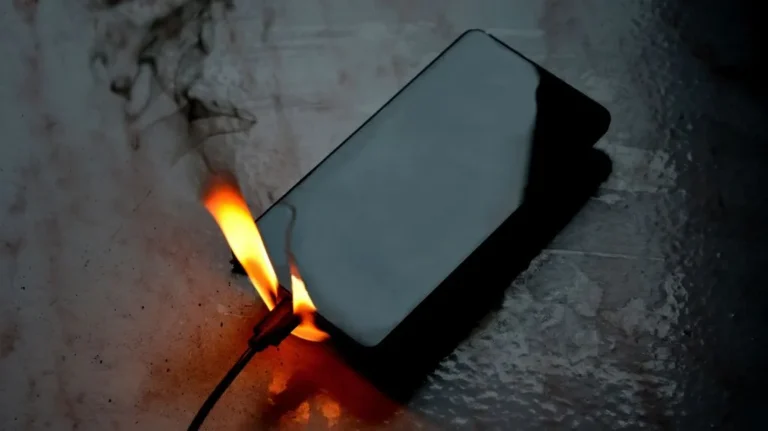
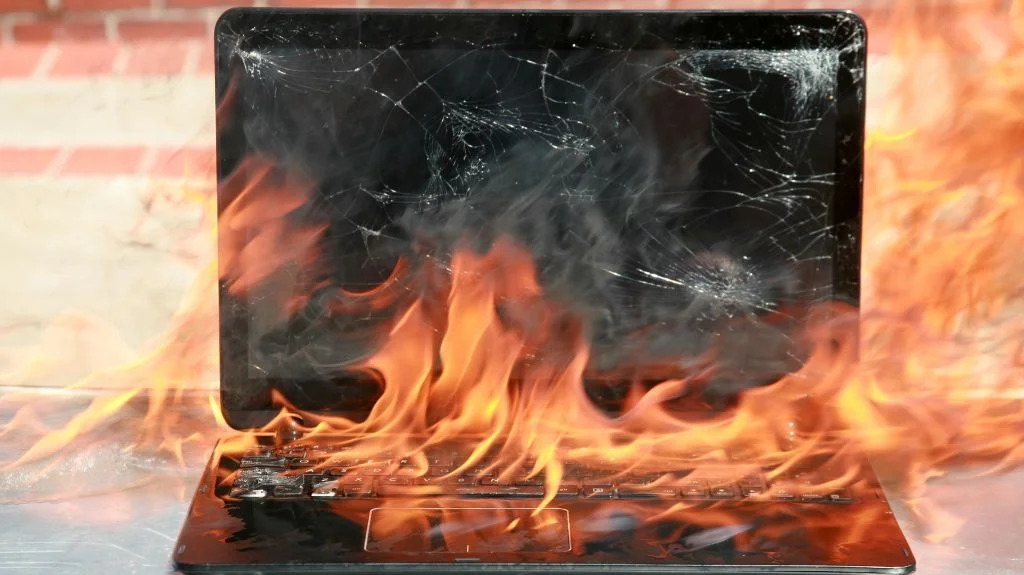
Heaters, appliances, lithium-ion batteries, chargers, electronics, fuel-powered products, and other products can cause catastrophic burns, fires, explosions, and property damage.
Vehicles & Automotive Components
Defective vehicle systems and components—including tires, brakes, restraints, seats, fuel systems, batteries, and other components—can cause or dramatically worsen serious injuries.
Machinery, Tools & Industrial Equipment
Power tools, industrial machinery, workplace equipment, guards, safety systems, and other equipment may present serious hazards when something goes wrong.
Medical Devices
Implanted and non-implanted medical devices can raise complex questions involving product design, manufacture, warnings, medical causation, and regulatory history.
Prescription & Over-the-Counter Medications
Drug-related injury cases can involve inadequate warnings, undisclosed risks, labeling issues, and other questions requiring extensive medical and scientific evidence.
Children’s Products & Safety Equipment
Products intended to protect children—or protect any of us from injury—can have especially serious consequences when they fail to perform safely.
Other Dangerous & Defective Products
No list can include every product that can cause serious harm. If a product injured you or someone you love, tell us what happened.
A Full Investigation Into Accountability
Product liability cases often hinge on such details as a design flaw buried in engineering records, a manufacturing defect isolated to a single batch, or a warning label that failed to mention a known risk. Kim Beck takes the time to understand exactly how and why a product failed before pursuing a claim.
Serious product cases require serious investigation. Depending on the case, Beck Law Center may:
Preserve and Examine the Product
We work to protect important physical evidence and determine how the product should be stored, documented, inspected, tested, or examined.
Reconstruct What Happened
Photographs, videos, witness accounts, physical evidence, medical records, electronic data, and expert analysis can help establish how the incident occurred.
Find the Right Experts
Product cases may require engineers, scientists, physicians, fire investigators, accident reconstructionists, human-factors specialists, or other experts with highly specific expertise.
Identify the Responsible Companies
Responsibility may extend beyond the company whose name appears on the product. Manufacturers, component suppliers, distributors, retailers, and others may need to be investigated.
Find Out What the Company Knew
Through investigation and litigation, we may seek evidence concerning product testing, design decisions, prior incidents, complaints, safety concerns, warnings, recalls, proposed changes, and internal communications.
Determine the Full Impact of the Injury
A serious case isn’t just about what happened on the day of the incident. We also need to understand what the injury means for the person’s future—including medical care, ability to work, physical limitations, and quality of life.
Prepare the Case for Trial
Large manufacturers and retailers have lawyers, experts, insurers, and significant resources available to defend them.
We prepare accordingly.
As the sole attorney at Beck Law Center, Kim is involved directly with your case and will guide you along the way.
What You Can Do to Help Your Case
Tell Your Lawyer Everything
Share all the facts that may be relevant so there’s as complete a story as possible. Don’t withhold any information, as the defense could uncover it.
Keep the Product
Don’t return the product in question to the store or send it to the manufacturer for inspection. But if you don’t still have the product, contact a lawyer anyway.
Protect the Product
Do not discard, repair, alter, return, or continue using the product. If it can be handled safely, secure it in a protected location along with its packaging, instructions, receipts, and related materials. Products involving fire, batteries, chemicals, fuel, or other hazards may require special handling. Photograph the product and contact an attorney before moving or packaging it if doing so could be unsafe.
Don’t Miss the Statute of Limitations
Don’t assume you have all the time in the world; these deadlines can be short, and they vary from state to state. Contact us promptly.
Talk to an Attorney Even if You’re Unsure
If you’re on the fence about whether you have a case, contact us anyway.
Frequently Asked Questions
A Product Hurt You. You Don’t Have to Know Why
You don’t need to identify the defect.
You don’t need to know which company is responsible.
You don’t need to find an expert.
And you don’t need to know whether you have a product liability case before you call.
Tell Kim what happened. We’ll help you figure out what comes next.
Related Reading
-
Does a Product Have to Be Recalled Before I Can Sue?
No. A product does not necessarily have to be recalled before someone injured by it can pursue a product liability claim. This is an important distinction because consumers sometimes assume that if the government or manufacturer has not announced a recall, the product must be safe. That isn’t necessarily true. Recalls and Product Liability Cases…
-
Defective Product Lawsuits in Kentucky: How KRS 411.300 Differs from Ohio Law
A defective product can cause injuries far beyond the frustration of replacing something that does not work. Dangerous machinery, vehicle components, household goods, medical devices, and other products can lead to serious injuries, lost income, and lasting changes to a person’s daily life. Both Kentucky and Ohio allow people injured by defective products to pursue…
-
Design vs. Manufacturing Defect vs. Failure to Warn: Defective Products in Ohio
A product breaks, catches fire, or behaves in a way you never expected. You know something went wrong, but you may not know why. Was the product dangerous from the beginning? Did something go wrong while it was being made? Or did the manufacturer fail to warn you about a risk? In Ohio, those questions…