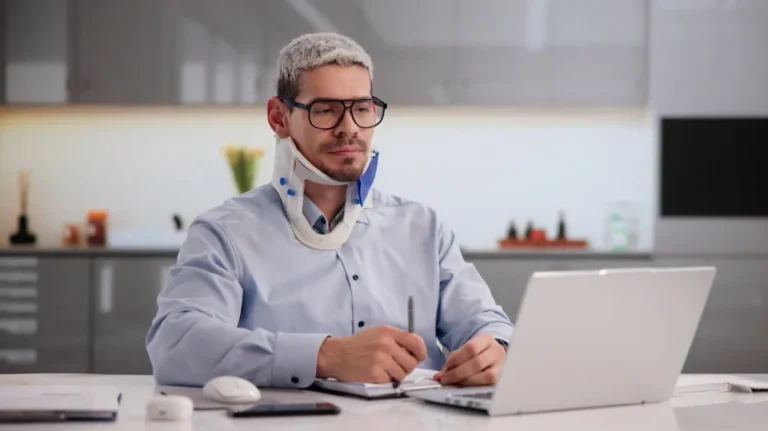
When someone else’s carelessness leaves you hurt, the road to recovery involves more than just healing physically. You may be entitled to compensation for your medical care, lost wages, and the toll this injury has taken on your life.
Whether you were hurt in a crash, a fall, or through someone else’s negligence, there’s often a clear legal path toward accountability. Attorney Kim Beck takes the time to understand exactly what happened to you, then builds a case aimed at making sure the responsible party answers for it.
How Beck Law Center Can Help You
Recovering from an injury is hard enough without also having to navigate a legal claim on your own. Kim Beck steps in to carry that weight for you. Working with her can:
- Give you room to focus on healing while she handles the legal groundwork.
- Help you understand the full value of your claim, not just the immediate bills.
- Identify every person or entity whose negligence contributed to your injury.
- Gather the medical records, accident reports, and evidence needed.
- Push back against insurance companies looking to lowball you.
Diligent Case Preparation
Personal injury cases typically involve layers of local laws, insurance coverage, competing accounts of what happened, and injuries that don’t always reveal themselves right away. Kim Beck takes the time to build a complete picture of your injury and its impact before negotiating with an insurance company or stepping into a courtroom.
As the sole attorney at Beck Law Center, Kim is directly involved in your case, and she’ll let you know where you stand through every step of the process.
What We Look At When Evaluating Your Injury Claim
The following factors are important in building a strong personal injury case. Additional considerations may apply depending on how you were hurt.
- Cause of the Injury: What happened, and whose actions or failure to act led to the harm?
- Medical Treatment and Records: What treatment have you received, and do your medical records clearly connect your injuries to the incident?
- Extent of Your Injuries: Are your injuries temporary, or do they involve long-term or permanent effects on your life?
- Witnesses and Documentation/Evidence: Are there photos, witness accounts, or official reports describing how the injury occurred? Even journal/diary entries can help.
- Insurance Coverage Available: What insurance policies may apply, and is the coverage enough to address your losses?
- Comparative Fault: Could the other side argue that you share some responsibility, and how might that affect your claim?
- Lost Income and Future Impact: Has the injury affected your ability to work now or in the future?
- Additional Responsible Parties: Beyond the immediate party involved, could a property owner, employer, or manufacturer also bear some of the responsibility?
What Kinds of Cases Does Beck Law Center Take?
Beck Law Center represents those who’ve experienced serious personal injury, including:
Catastrophic Injuries
Beck Law Center represents people who have suffered severe, life-changing injuries because of another party’s negligence. These cases may involve permanent disability, traumatic brain or spinal injuries, severe burns, disfigurement, or other injuries with significant long-term consequences.
Premises Liability
Property owners and businesses may be responsible for serious injuries caused by dangerous conditions on their property. These cases can involve unsafe walkways, stairs, structures, maintenance failures, and other hazards that cause significant injury.
Motor Vehicle & Transportation Injuries
Beck Law Center handles motor vehicle and transportation cases involving serious or catastrophic injuries. These may include collisions involving passenger vehicles, commercial vehicles, trucks, and other forms of transportation.
Wrongful Death
When negligence causes a person’s death, surviving family members may have legal claims arising from their loss. Beck Law Center represents families in wrongful-death cases involving serious accidents, unsafe premises, and other negligent conduct.
Frequently Asked Questions
Related Reading
-
Injured by a Defective Product? What to Do in the First 72 Hours, Before the Evidence Disappears
When a new power tool breaks and sends a metal fragment into someone’s hand, or a space heater catches fire, the damaged product can help explain what went wrong. In the rush to get treatment or clean up, however, it is easy to throw the item away or return it to the seller. Those decisions…
-
What Is a Serious Personal Injury Case Really Worth?
One of the first questions people understandably ask after a serious injury is: What is my case worth? There is no reliable formula. A serious personal injury claim is not simply the total of the medical bills multiplied by some arbitrary number. Two people can suffer similar injuries and have very different claims because an…
-
Fatal Workplace Accidents in Ohio: Wrongful Death Claims Beyond Workers’ Comp
A fatal workplace accident leaves a family grieving while also facing sudden financial uncertainty. Paychecks stop, household responsibilities shift, and questions about medical bills, funeral costs, and long-term support can arise almost immediately. Ohio workers’ compensation may provide benefits after a work-related death. In some cases, however, it is not the family’s only possible source…